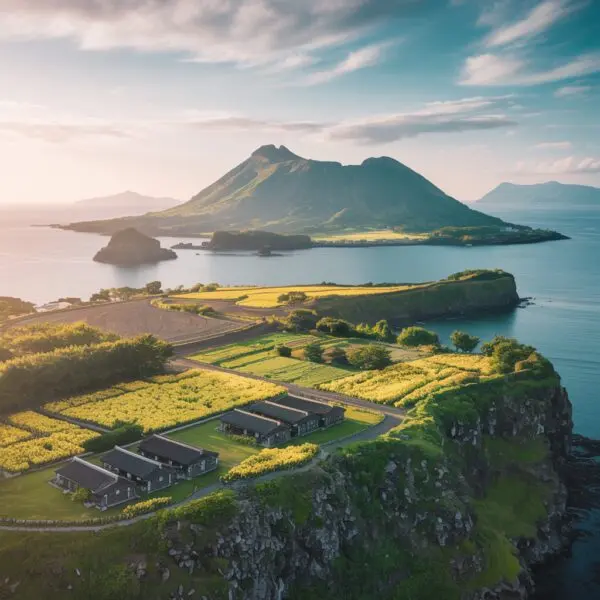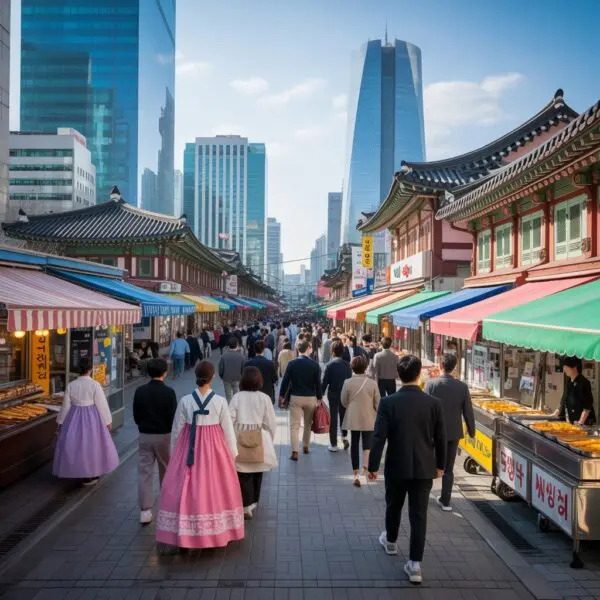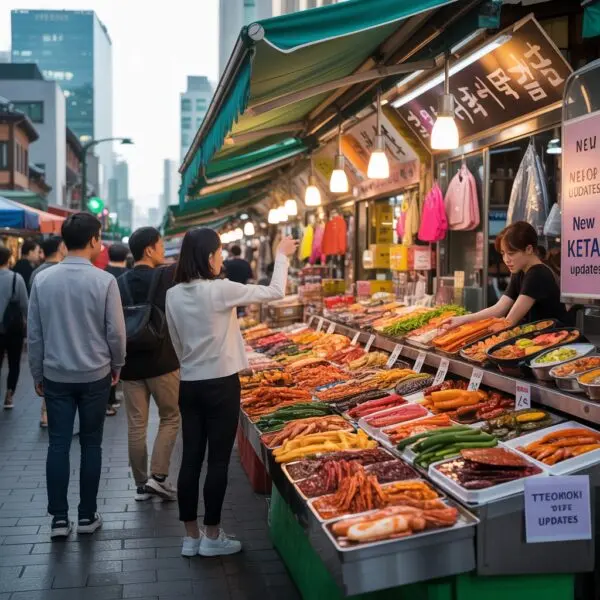
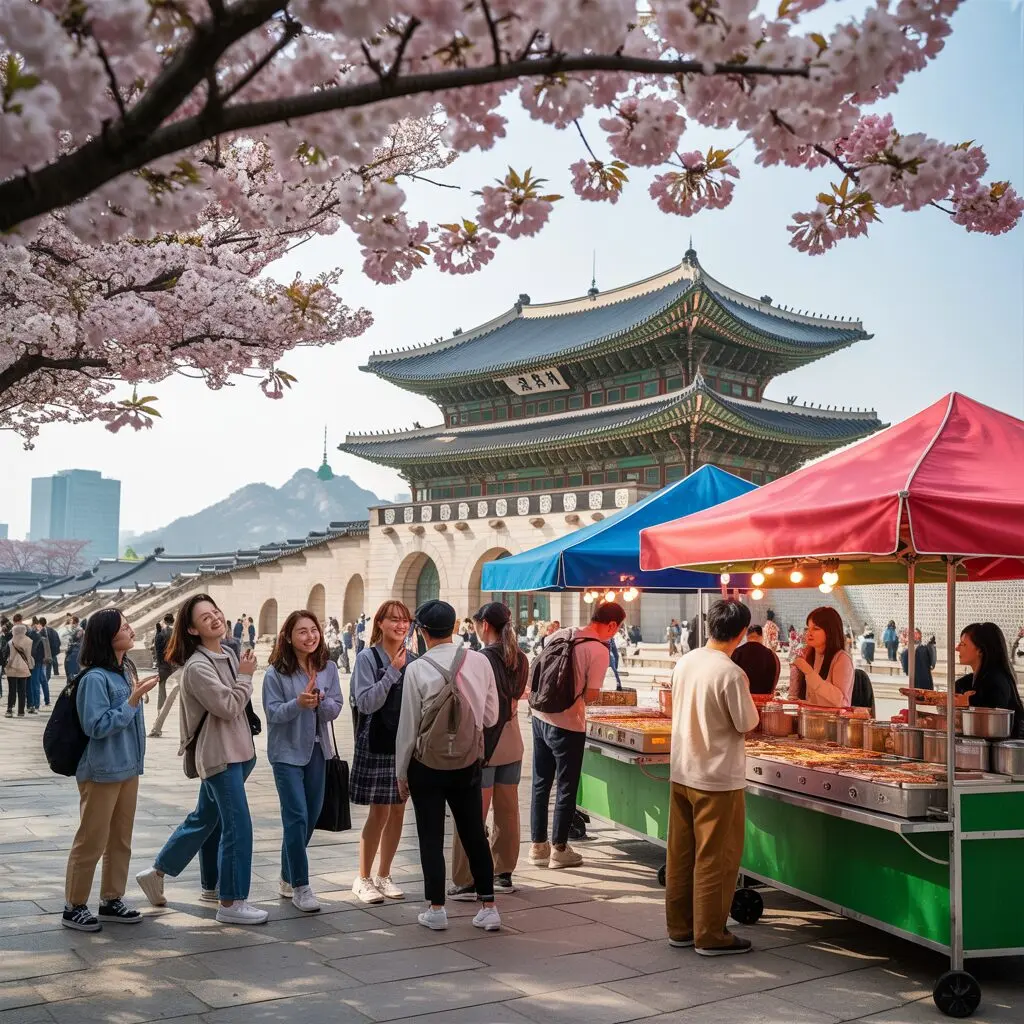
Seoul is one of the world’s most dynamic cities – a sprawling, pulsating capital of 10 million people where ancient royal palaces sit in the shadow of glass skyscrapers, where neon-lit street food alleys lead to chic rooftop bars, and where K-pop culture intersects with 600 years of Joseon Dynasty heritage. This Seoul travel guide covers the city’s best neighborhoods, top attractions, food highlights, and practical tips for 2026 visitors.
Getting to Seoul – Entry and Arrival
Most international travelers arrive at Incheon International Airport (ICN), approximately 50 km west of central Seoul. From ICN, the AREX (Airport Railroad Express) offers a direct train to Seoul Station in 43 minutes. All-stop trains take about 1 hour. Limousine buses and taxis are also available.
Before traveling to South Korea, confirm your entry requirements. Most major nationalities are currently exempt from kETA through December 31, 2026, but all travelers must complete the mandatory K-ETA e-Arrival Card. See our Korea entry requirements 2026 page.
Seoul’s Best Neighborhoods
Jongno – Historic Seoul
Jongno is the historical heart of Seoul, home to Gyeongbokgung Palace (the largest of Seoul’s five main palaces), Bukchon Hanok Village (streets of traditional Korean houses), Insadong (artisan galleries, tea shops, traditional crafts), and Jogyesa Buddhist Temple. This area is essential for anyone interested in Korean history and culture.
Gangnam – Modern Luxury
Made famous by Psy’s 2012 anthem, Gangnam is Seoul’s upscale southern district. Apgujeong and Cheongdam-dong are lined with luxury boutiques, high-end restaurants, and celebrity plastic surgery clinics. COEX Mall is one of the world’s largest underground shopping centers. The Starfield Library inside COEX is one of Seoul’s most photographed interiors.
Hongdae – Youth and Creativity
Named after Hongik University, Hongdae is the beating heart of Seoul’s youth culture. Streets are alive with buskers, street performers, indie fashion boutiques, quirky cafes, and clubs. It is the epicenter of Seoul’s nightlife and the best place to experience contemporary Korean pop culture. The area is particularly vibrant on weekend evenings.
Itaewon – International Hub
Historically Seoul’s most international neighborhood, Itaewon offers an eclectic mix of cuisines, bars, and shops catering to a cosmopolitan crowd. The area has gentrified significantly in recent years, with trendy restaurants, craft beer bars, and boutique hotels taking the place of older establishments.
Myeongdong – Shopping Paradise
Myeongdong is Seoul’s premier shopping district – a dense grid of streets packed with cosmetic shops (K-beauty is a global phenomenon), fashion outlets, street food stalls, and department stores. Lotte Department Store and Shinsegae are nearby. Namdaemun Market, Korea’s oldest traditional market, is a short walk away.
Top Attractions in Seoul
Gyeongbokgung Palace
The largest and most iconic of Seoul’s royal palaces, built in 1395 during the Joseon Dynasty. Visitors can watch the Changing of the Guard ceremony (daily at 10am and 2pm), explore the National Folk Museum and National Palace Museum on the grounds, and rent hanbok (traditional Korean costume) for photos. Entry is free on Sundays when wearing hanbok.
N Seoul Tower (Namsan Tower)
Perched atop Namsan Mountain at 479m above sea level, N Seoul Tower offers 360-degree panoramic views of Seoul’s sprawling cityscape. The tower is equally spectacular at night, when the city lights up below. Accessible by cable car from Myeongdong or by hiking trail from Namsan Park.
Bukchon Hanok Village
A neighborhood of 900+ traditional hanok houses dating back to the Joseon Dynasty, preserved in the hills between Gyeongbokgung and Changdeokgung palaces. The narrow lanes offer a glimpse into old Seoul. Rent hanbok for a photo walk – it is one of Seoul’s most Instagram-friendly experiences.
Dongdaemun Design Plaza (DDP)
The futuristic Dongdaemun Design Plaza, designed by Zaha Hadid, is one of Seoul’s most striking modern landmarks. The complex hosts design exhibitions, fashion shows, and cultural events year-round. The surrounding Dongdaemun market area is Korea’s largest fashion wholesale market.
Seoul Food – What and Where to Eat
Seoul is a paradise for food lovers. Beyond the dishes listed in our South Korea travel guide, Seoul-specific highlights include:
- Gwangjang Market: Seoul’s oldest market, famous for raw beef (yukhoe), bindaetteok (mung bean pancakes), and mayak gimbap (tiny seaweed rice rolls)
- Tongin Market: Use traditional coins to pick banchan (side dishes) from different stalls and enjoy your own custom Korean meal
- Noryangjin Fish Market: Buy fresh seafood directly from vendors and have it prepared on the spot upstairs
- Chicken Street (Dak-galbi street) in Hongdae: The best place for budae-jjigae (army stew) and dak-galbi (spicy stir-fried chicken)
Seoul Day Trips
Seoul is an excellent base for day trips throughout the country:
- Suwon Hwaseong Fortress (45 min by subway) – A UNESCO World Heritage fortification
- Nami Island (1.5 hours) – A fairy-tale island famous for tree-lined paths and seasonal beauty
- DMZ (Demilitarized Zone) – Organized tours from Seoul to the border with North Korea
- Everland – South Korea’s largest theme park, accessible by shuttle bus from Seoul
Frequently Asked Questions
How many days should I spend in Seoul?
A minimum of 4-5 days allows you to explore the main neighborhoods and attractions. With 7 days, you can take day trips and explore Seoul more leisurely. Most travelers find Seoul deserves at least a week.
Is Seoul expensive for tourists?
Seoul offers options for every budget. Street food and local restaurants are very affordable. Budget travelers can get by on $40-60 USD per day. Mid-range travelers should budget $80-120 USD. Luxury options are plentiful but pricey.
What is the best way to get around Seoul?
The Seoul Metro is the most convenient and affordable way to get around. A T-Money card (available at convenience stores and metro stations) works on all subway lines and most buses. Taxis are also affordable by Western standards.